
The Kakatiya Rudreshwara Temple, also known as the Ramappa Temple, is a small yet magnificently constructed and carved temple complex located around 200 kilometres northeast of Hyderabad. It is the only world heritage site in the state of Telangana.

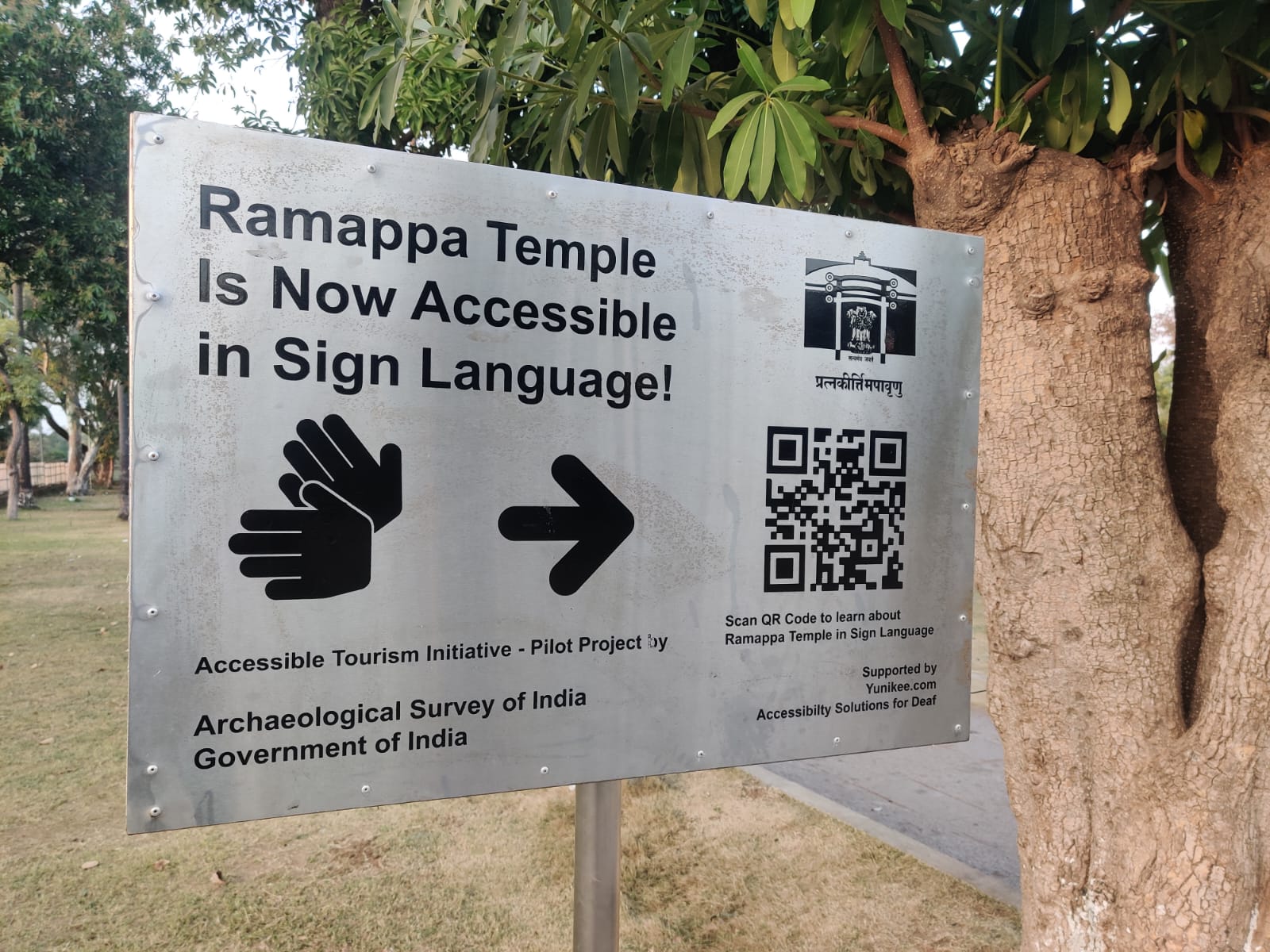
It is heartening to see ASI taking on accessible tourism with such zeal. The QR code links to a sign language film that describes the history of the Ramappa temple, which was established during the Kakatiya period. While providing a QR code for an interactive experience is the first and most fundamental step, there is much more that can and should be accomplished. If the Indian government builds an open source framework, everyone can participate and it can become a collaborative effort.
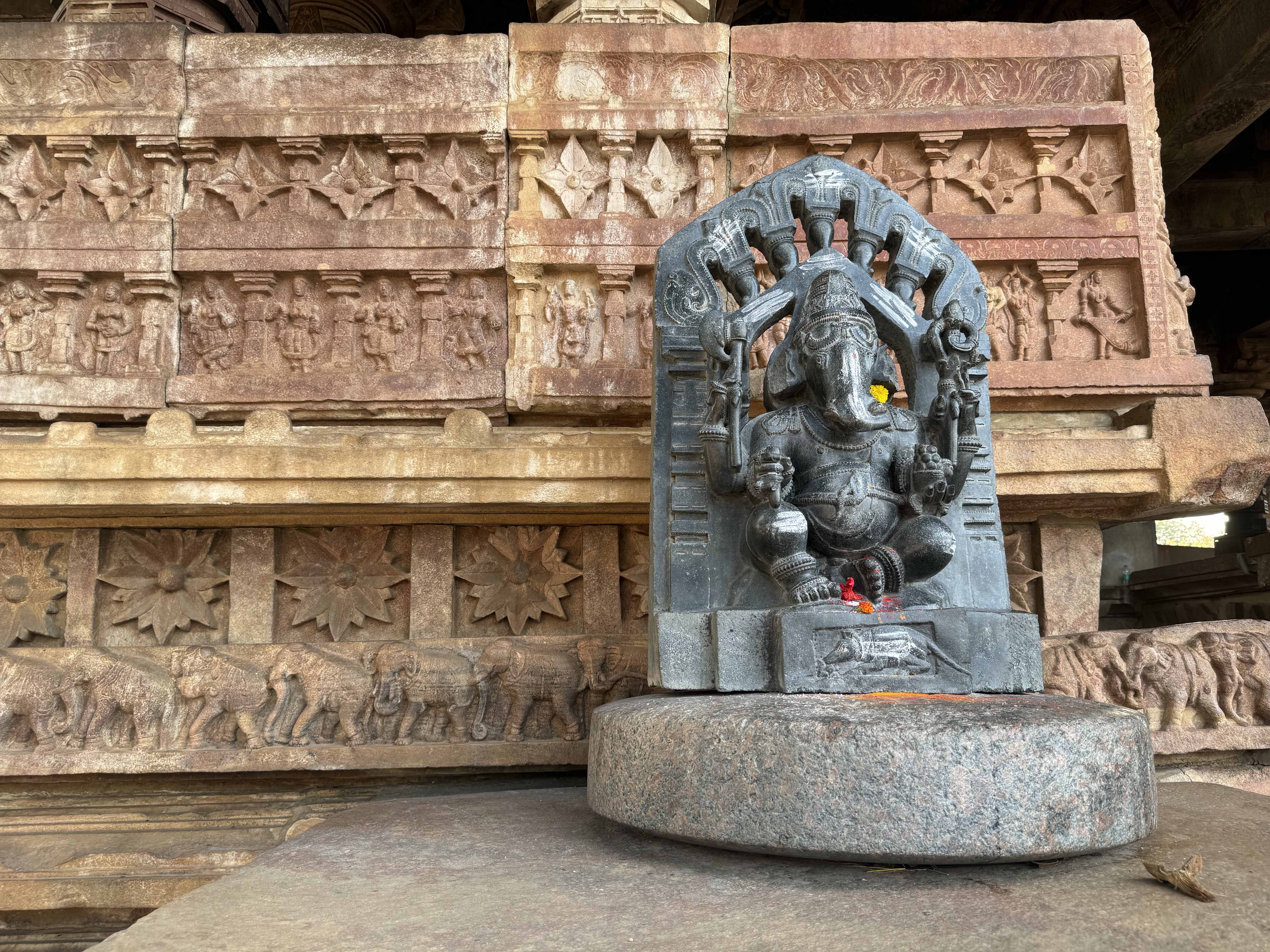
It is likely one of the few temples whose name comes from the architect rather than the deity or ruler who supported the temple. It was constructed during the reign of General Recherla Rudra, who served under Kakatiya monarch Ganapati Deva. The principal deity in the temple is Lord Shiva, however we begin our darshan with this exquisitely sculpted statue of Lord Ganesha.
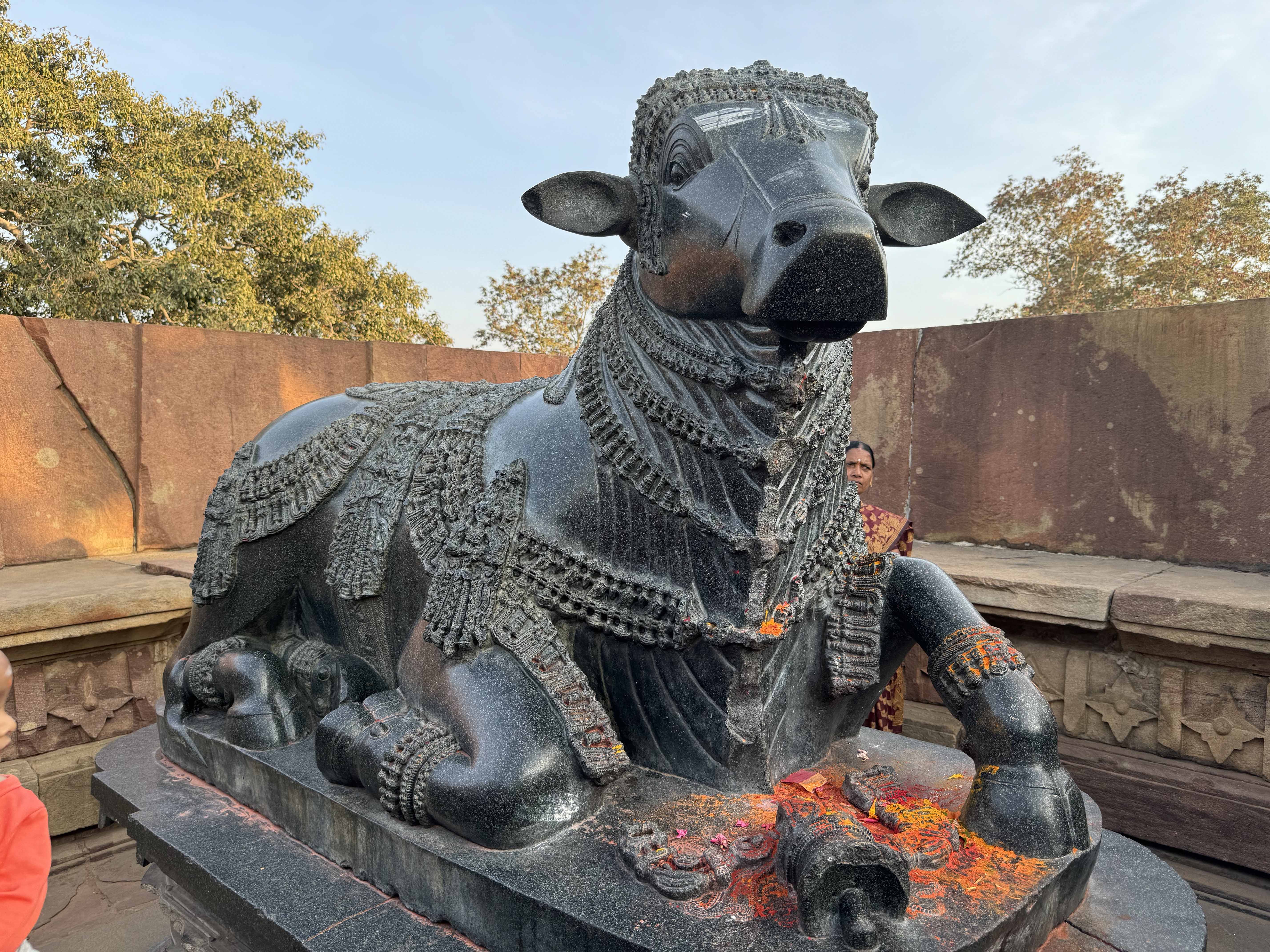
The master structure of the temple has been built from the local red sandstone. However, it is famous for beautifully carved black basalt sculptures with ornate surfaces and metal like shine. The grandest and finest example of this artistry is the big Nandi sitting on the platform opposite the main deity
Marco Polo, a famous traveller who visited the Kakatiya empire in the 13th century, wrote a wonderful description of this temple: “It is the brightest star in the galaxy of temples.” Temple columns are adorned with intricate carvings on incredibly strong black basalt material. It brings forth visual themes from the Kakatiya dance traditions, and many of those stances can be seen on the columns as musicians and dancers engraved on them.
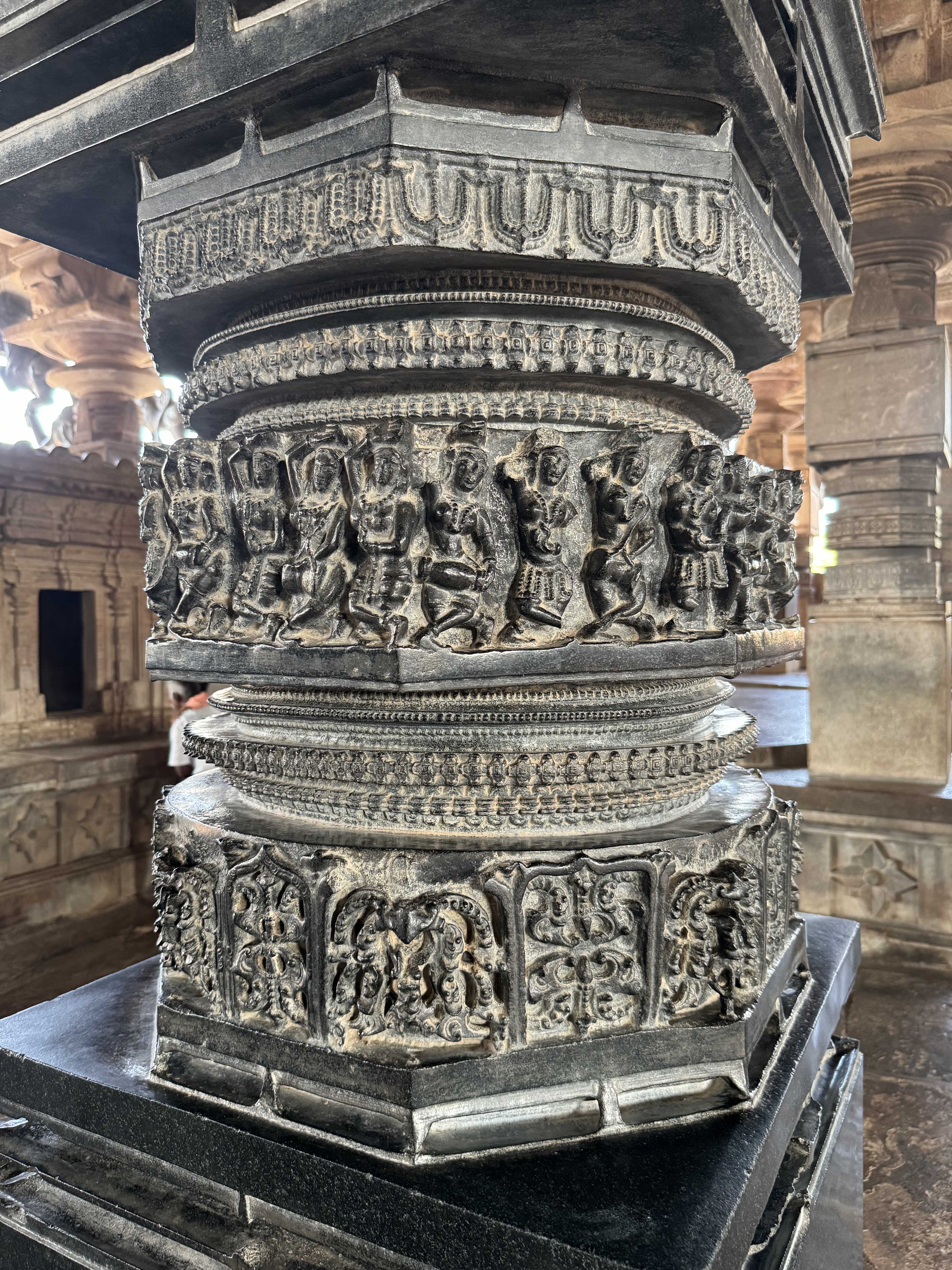
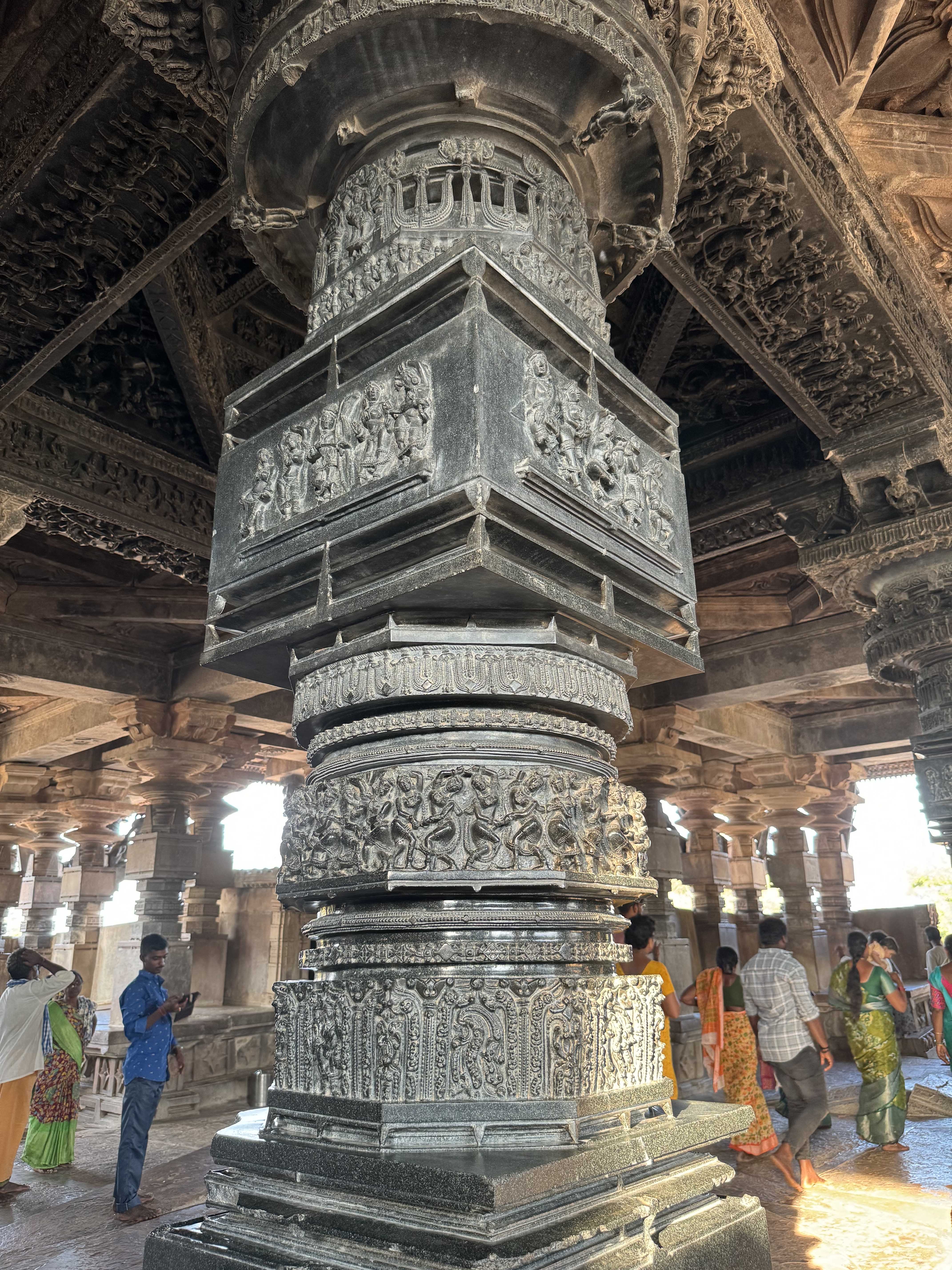
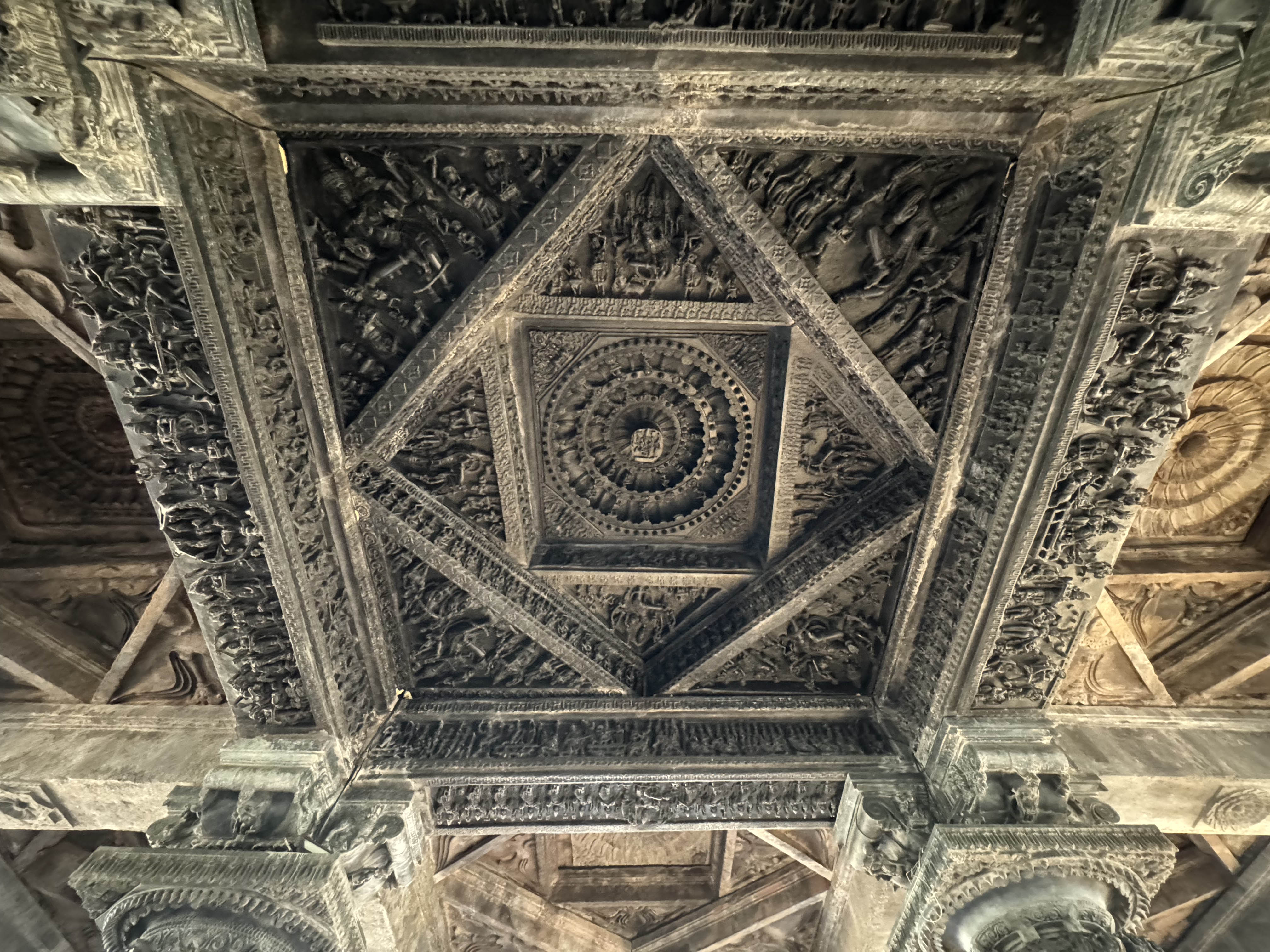
Madanikas, Gaja Vyalas, and Devatas carved on Granite and Dolorite surfaces surprise us with their precision and delicacy. The majesty of this style reaches its pinnacle on the roof with Lord Nataraja at its centre blessing the artisans performing in the Sabhamandapam.
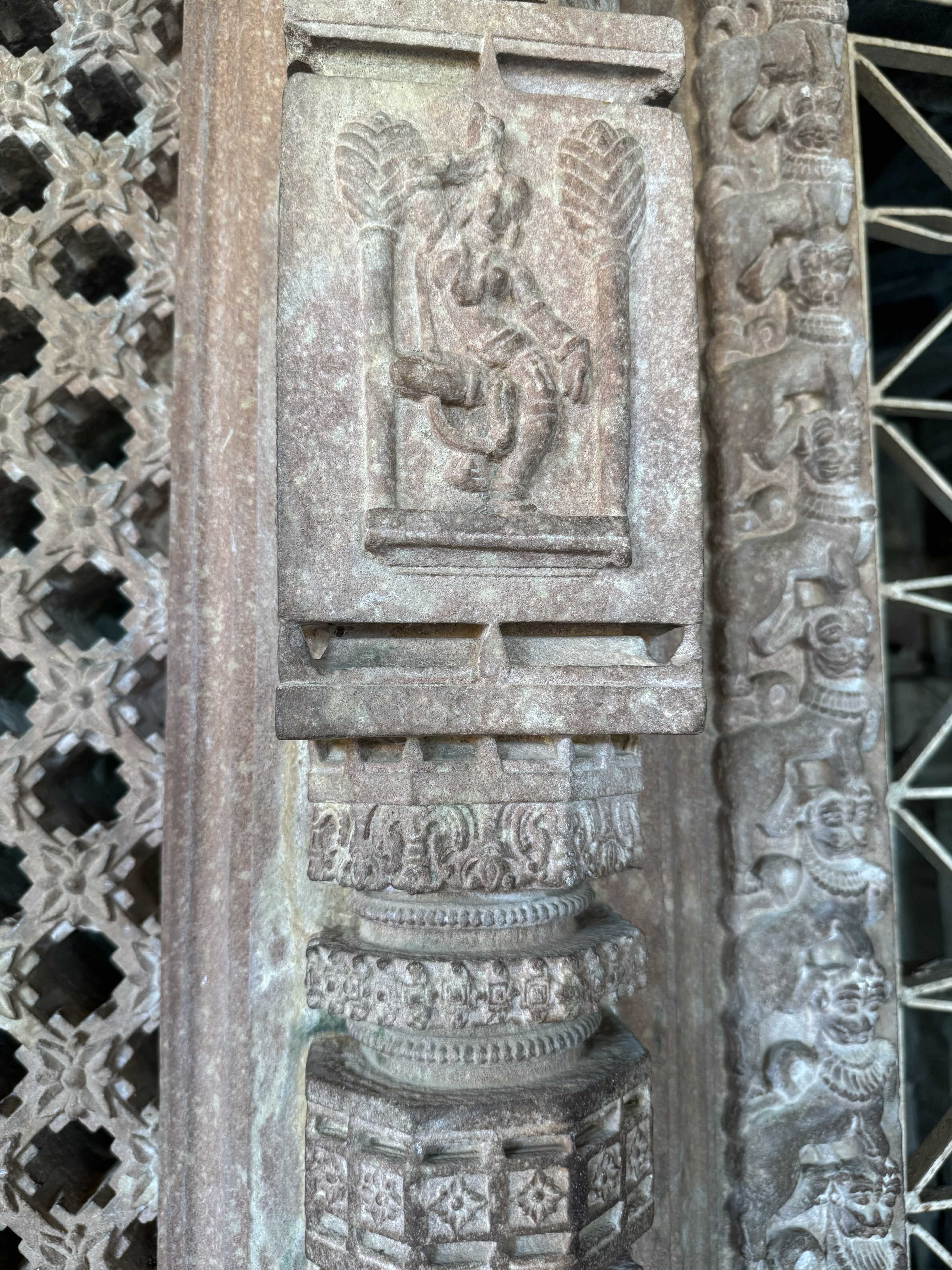
Door frames and grills also include intriguing designs. One of the most notable aspects of this temple’s visual design is how well it merges in with its natural surroundings.
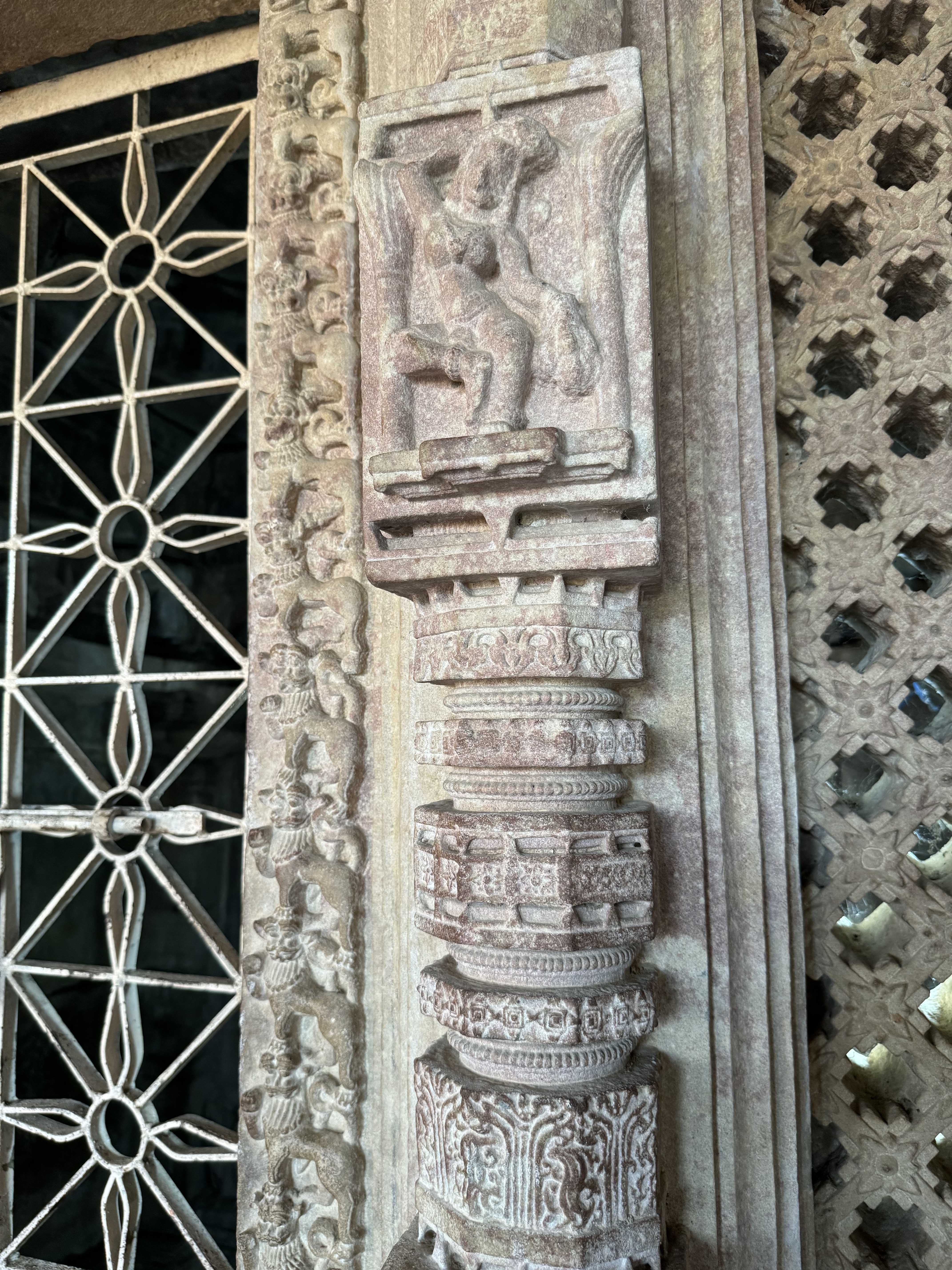
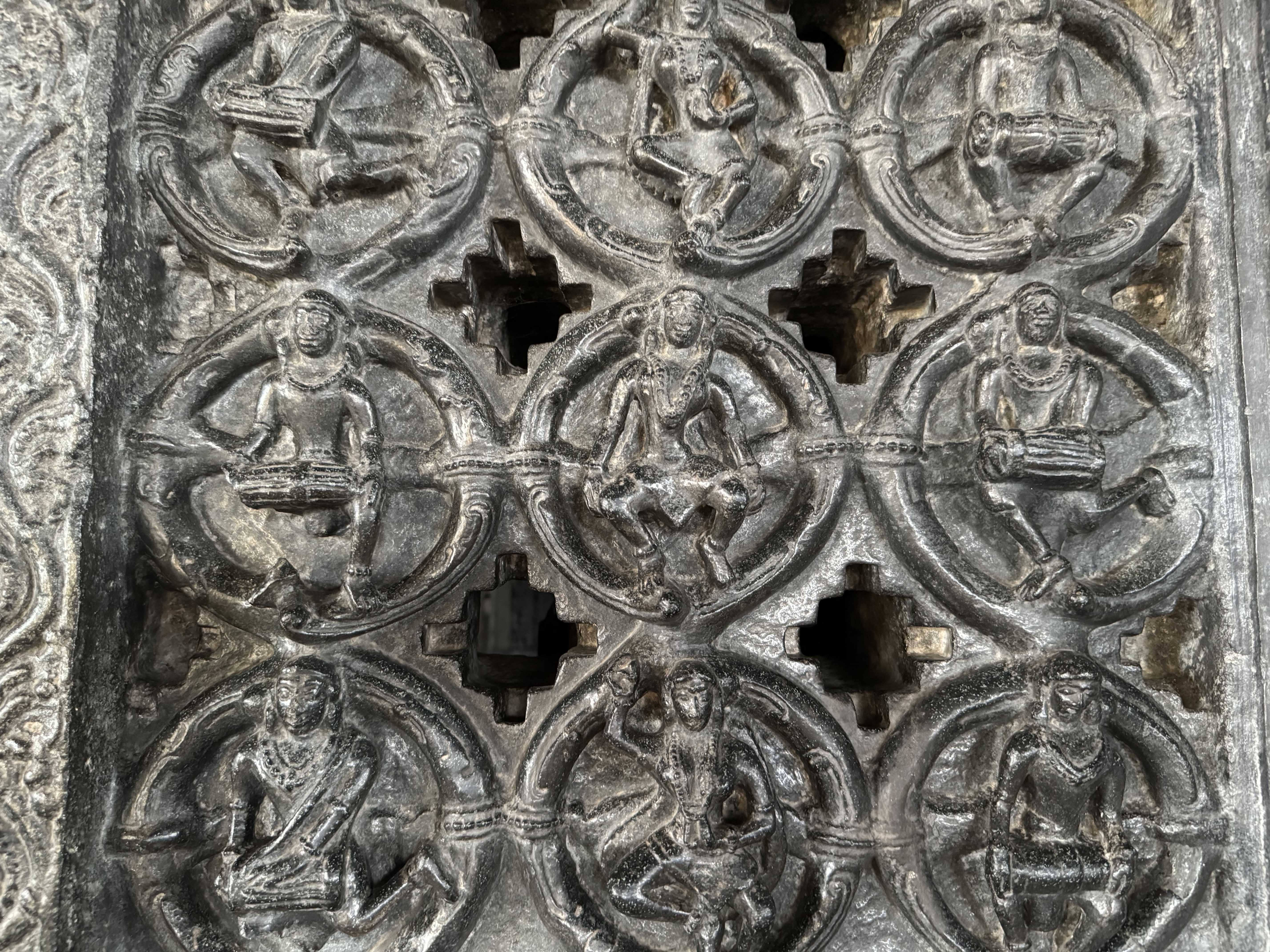
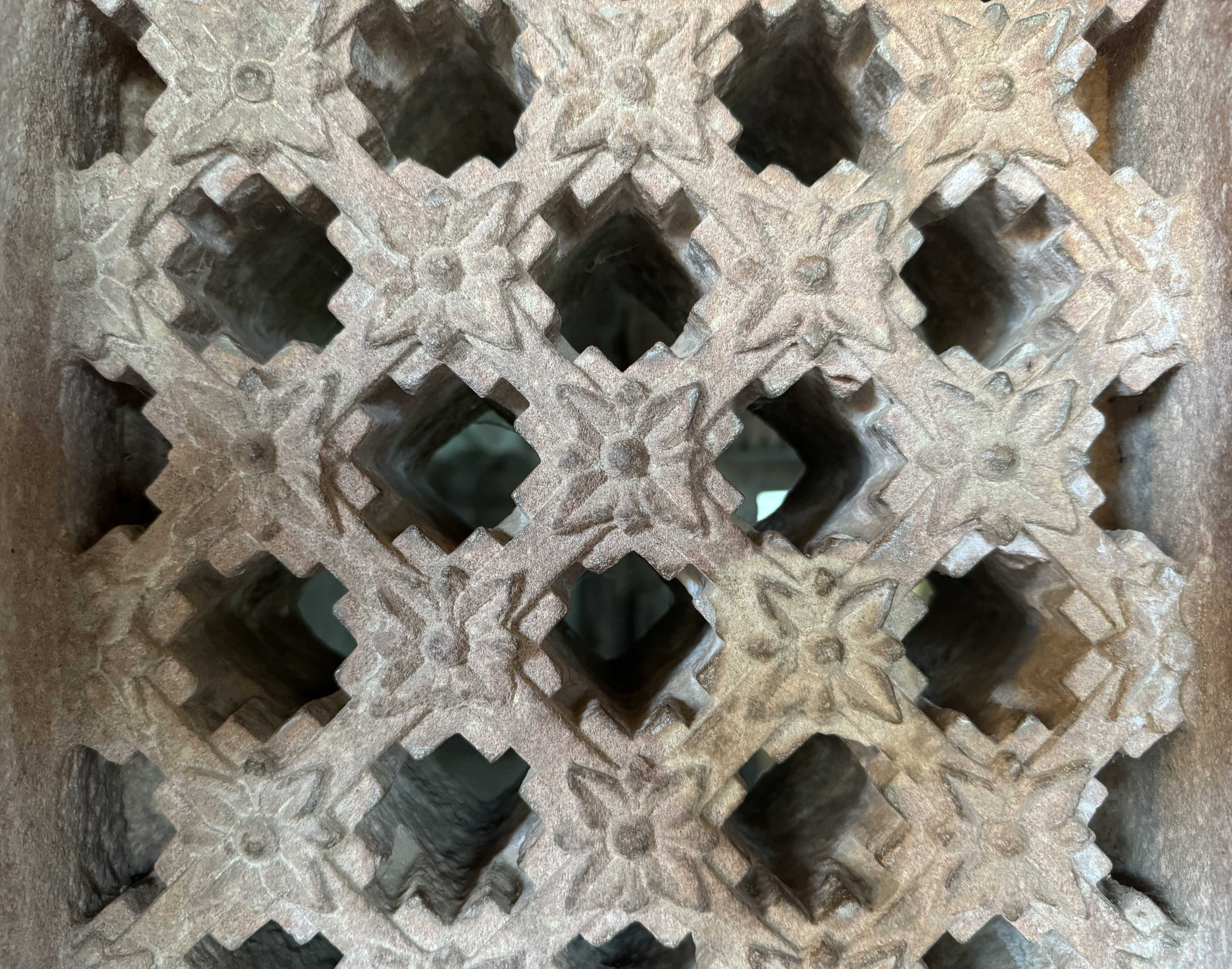
Dr. Nataraj Ramakrishna’s resuscitation of Perini Shiva Tandava Nritya is one of this heritage monument’s most significant contributions to the current Indian art environment. This dance genre is mentioned in Nritya Ratnawali, a Sanskrit treatise that was presumably commissioned by Jayapa Senani, a warrior in the Kakatiya army.
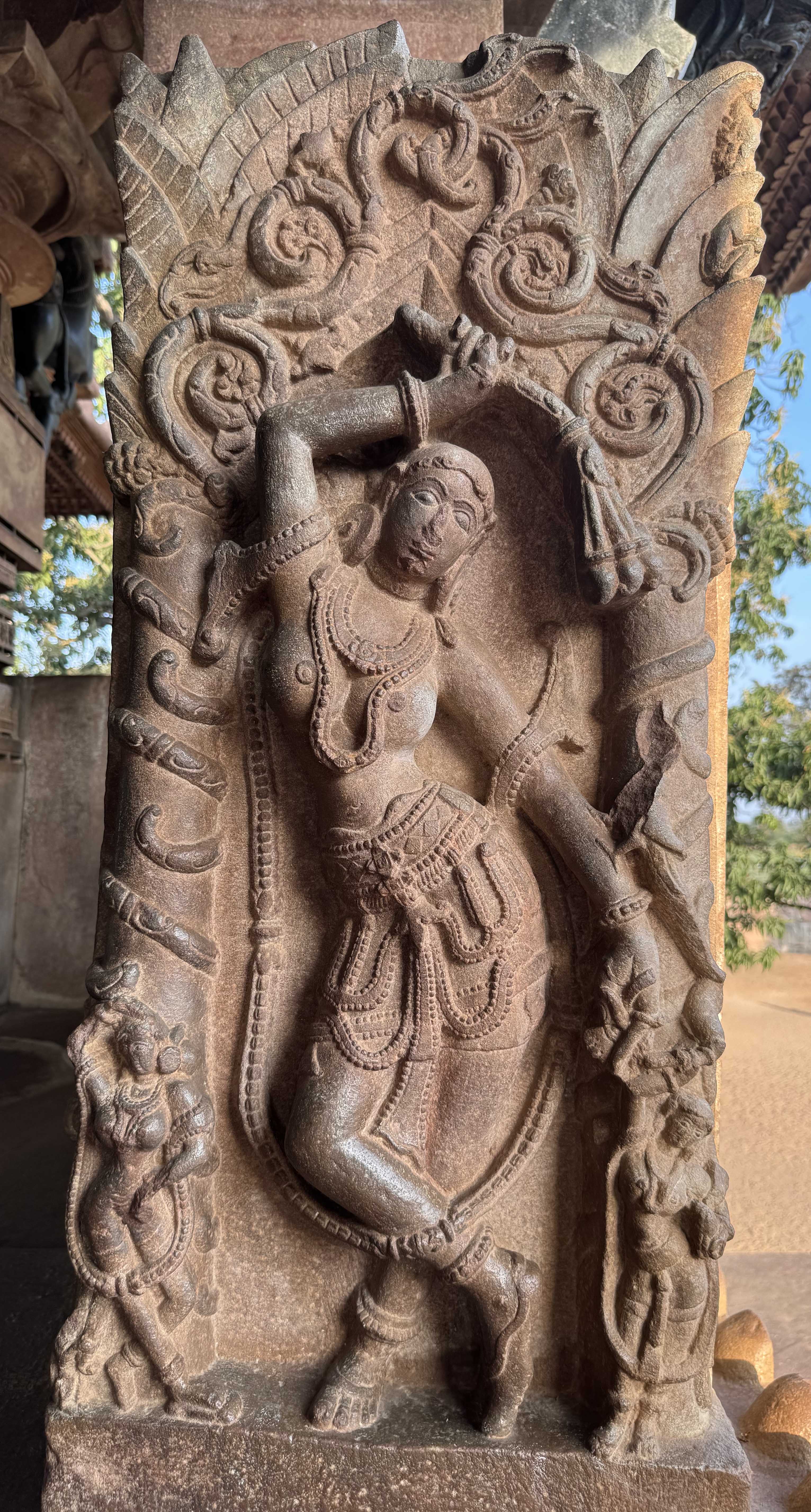
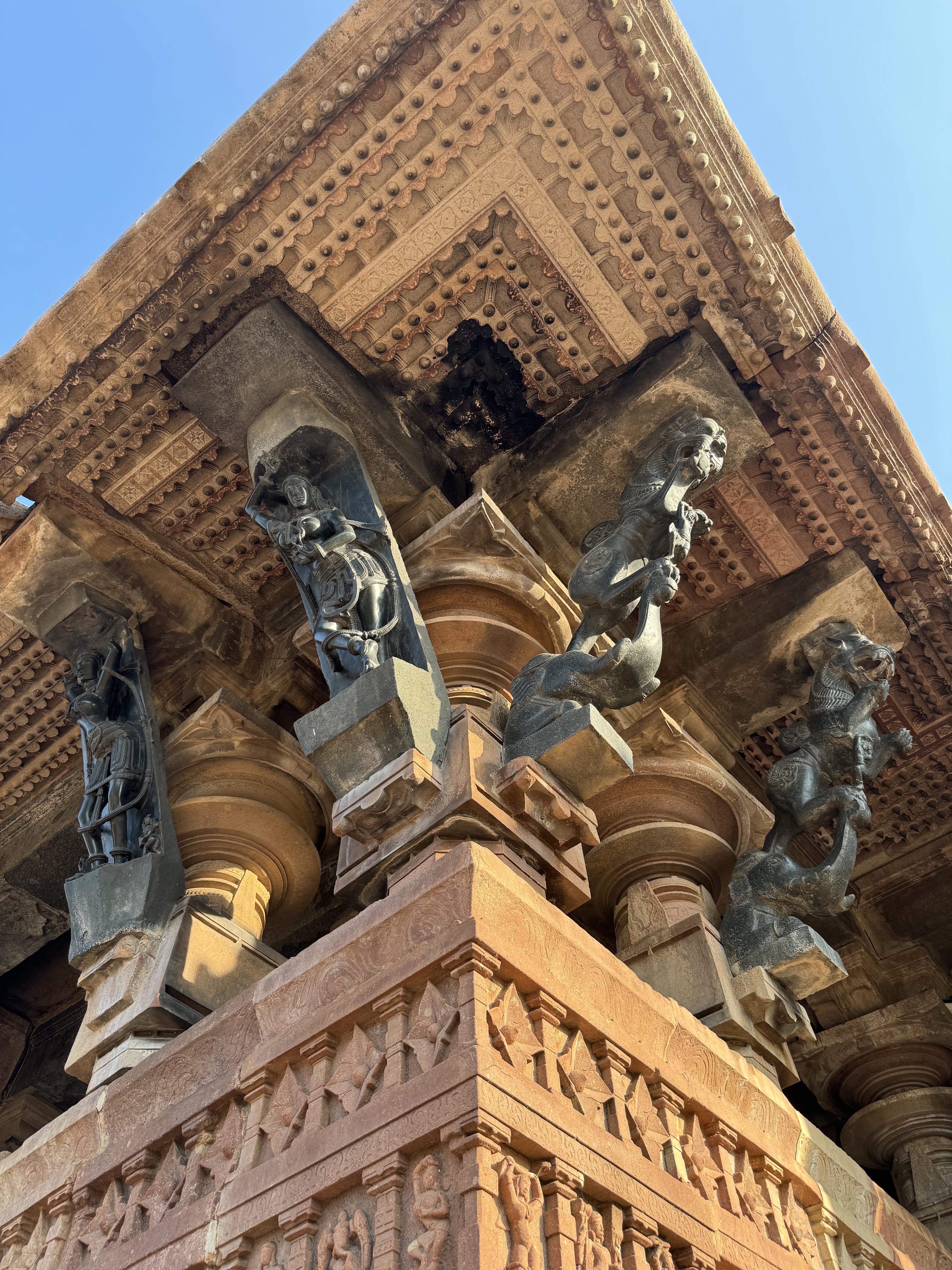
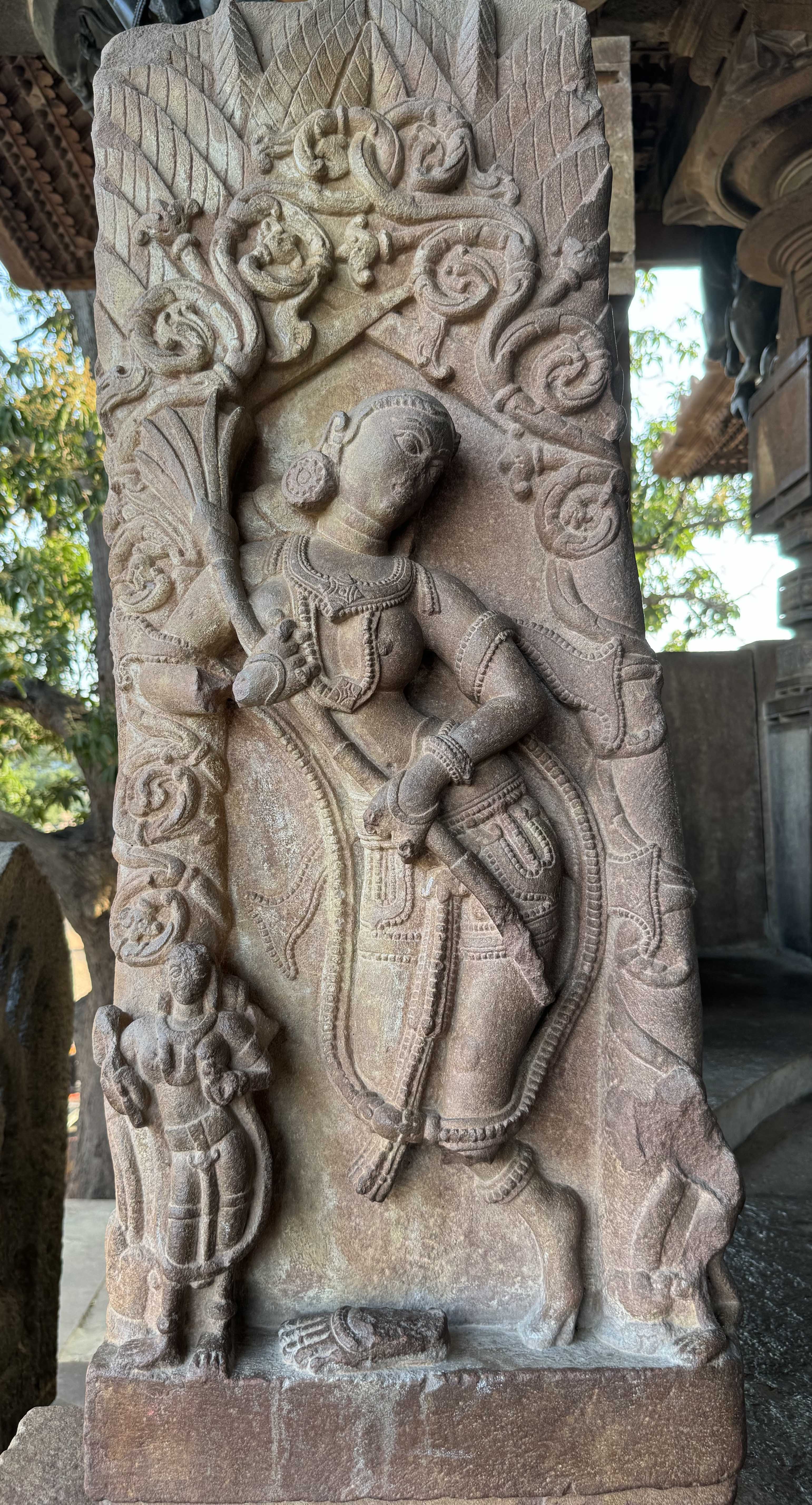
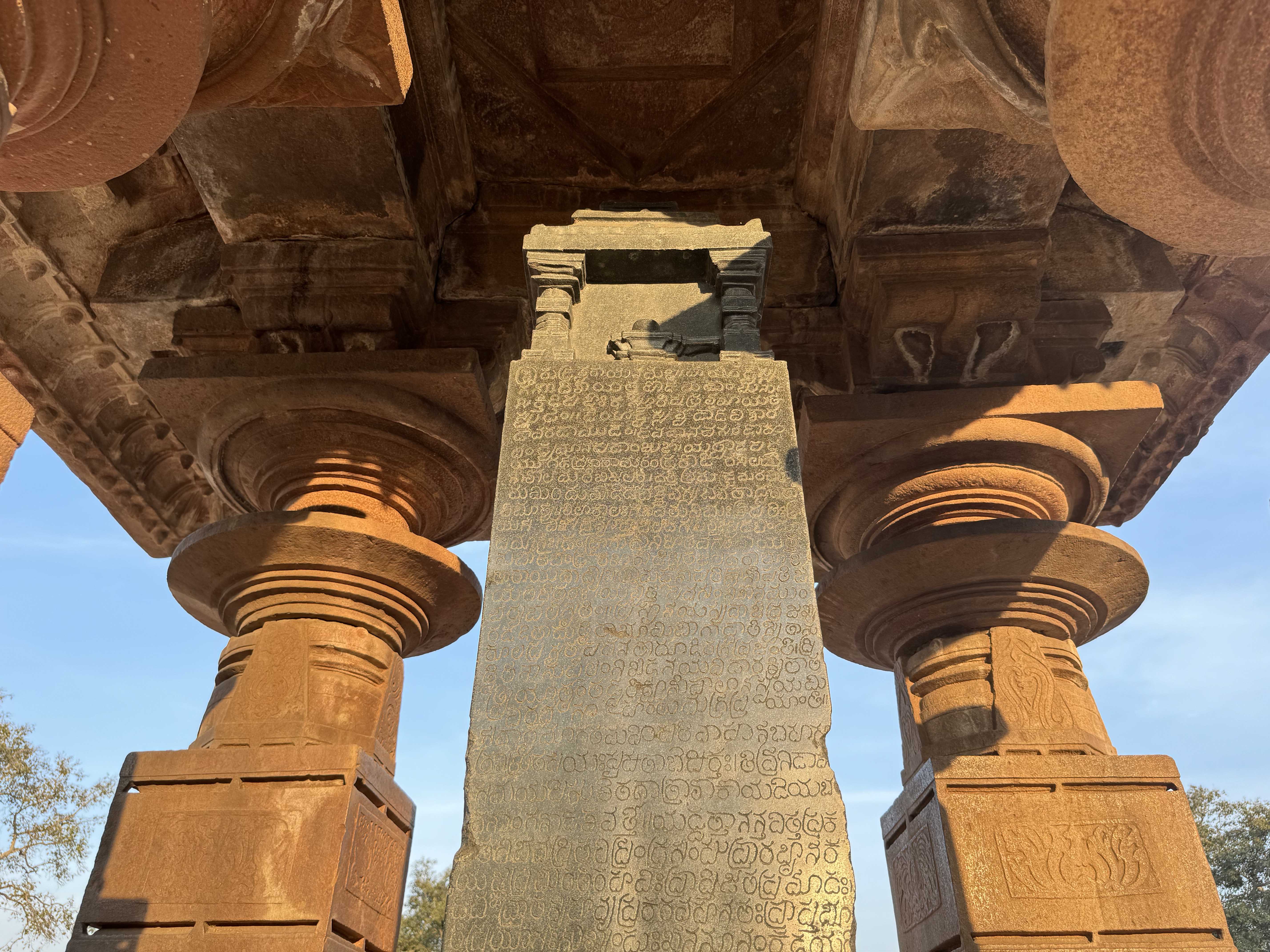
According to the inscription at the temple, it was built in 1213 AD, and some researchers believe it was completed about 1234 AD. Some beautiful lines from this inscription read: “The passionate bee of his spirit day after day freely and plainly haunted with joy Srikantha’s blessed lotus-feet, which are ruddily radiant from the lines of large jewels, massive and bright, that are strung on the tips of the crests of obeisant Brahman and all the other immortals.” (Courtesy – Temples of Palampet by Ghulam Yazdani)
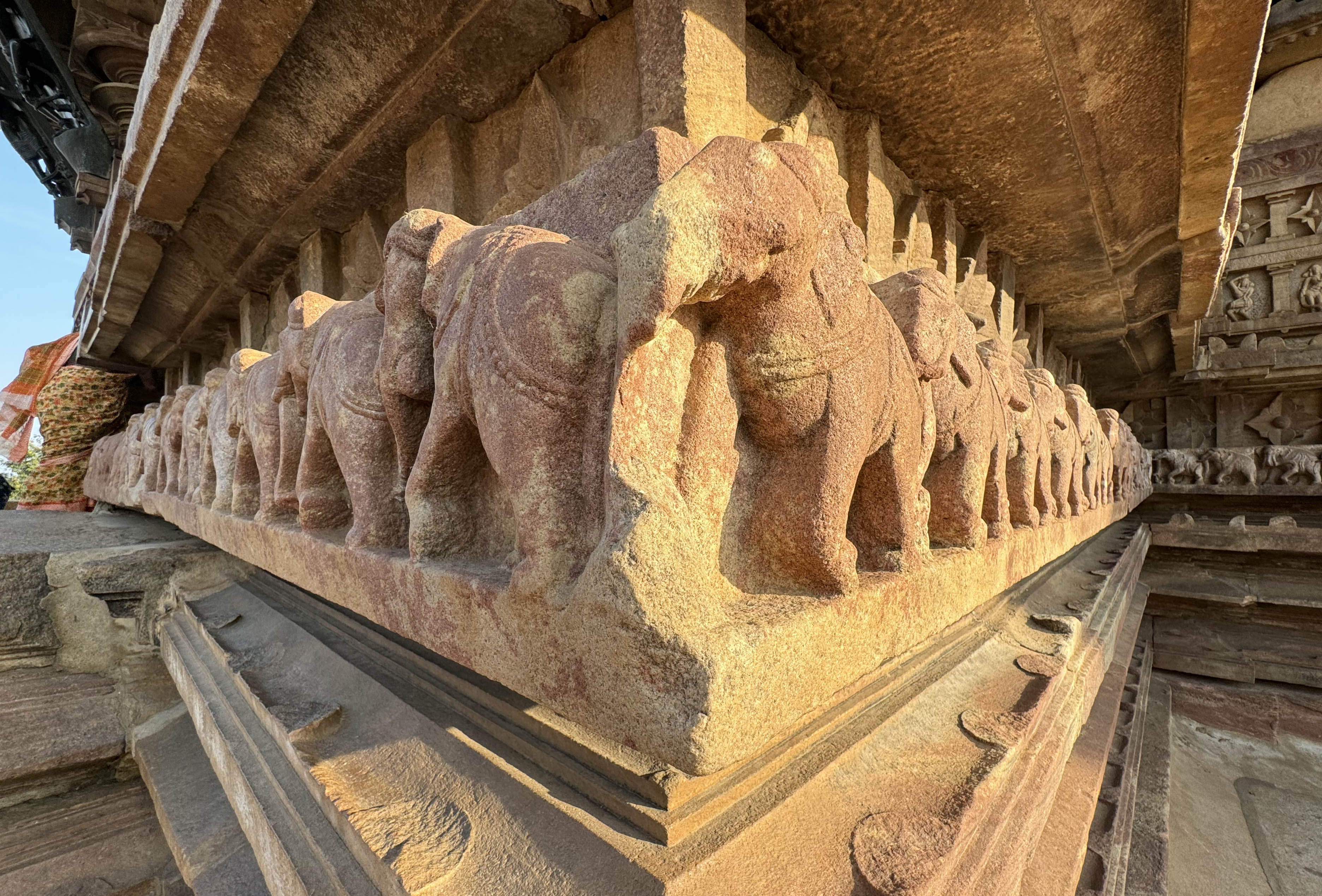
The temple stands on a 6-foot-tall star-shaped platform, and we see a row of 526 elephants walking in a direction signalling that visitors should take the Parikrama route.
The temple’s colonnade features a wonderful play of light. As the sun’s position varies during the day, we may observe various patterns of light and shadow emerge. You must spend a few hours to appreciate this if you chose to properly watch and admire the diverse mix of sculptures; a couple of hours may not be sufficient.
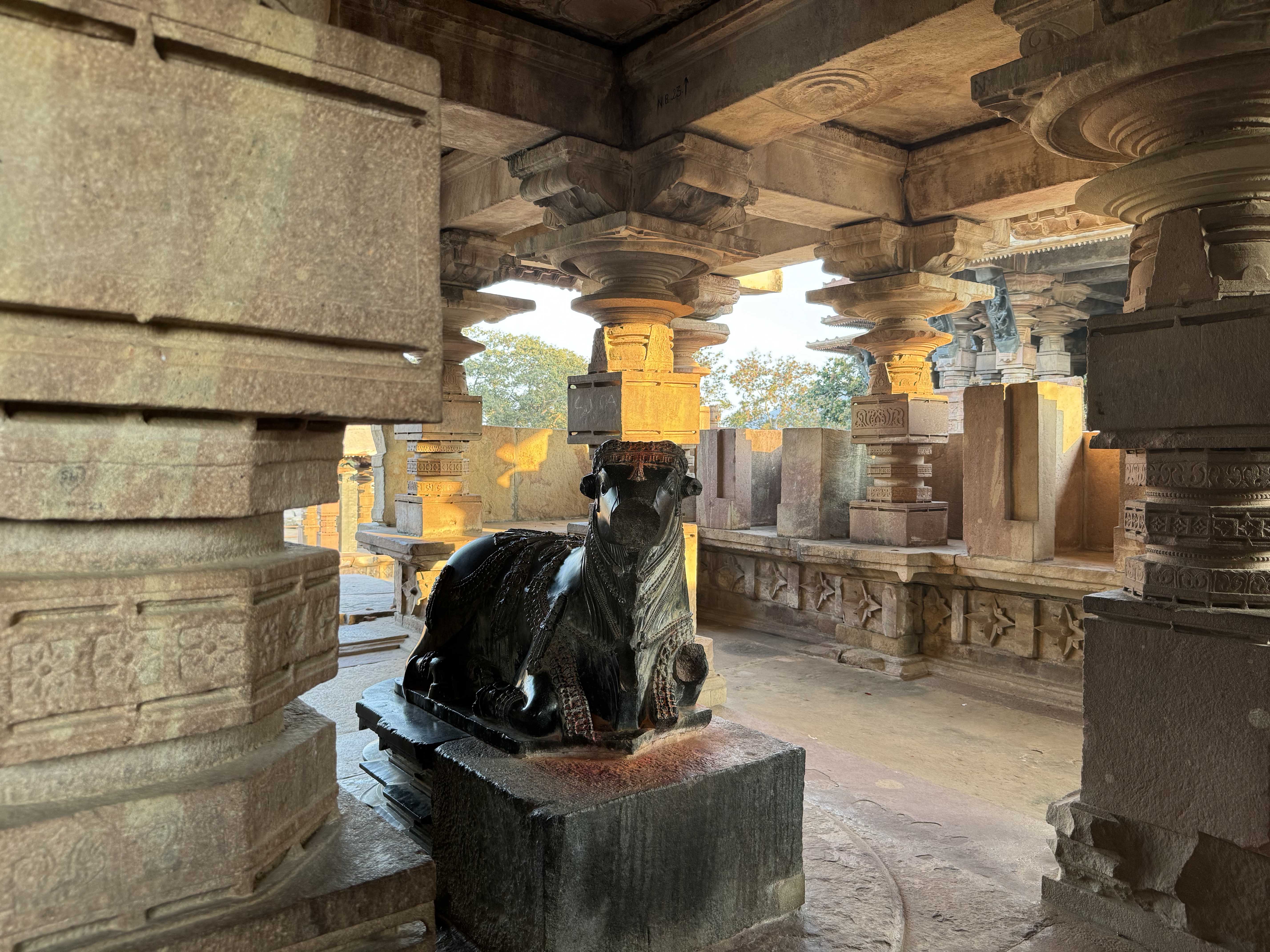
The main temple is flanked by two other Shiva temples, Rameshwaraiyya and Kateshwaraiyya. If you look closely at the roof slab, you can see hemispherical decorations facing the platform.
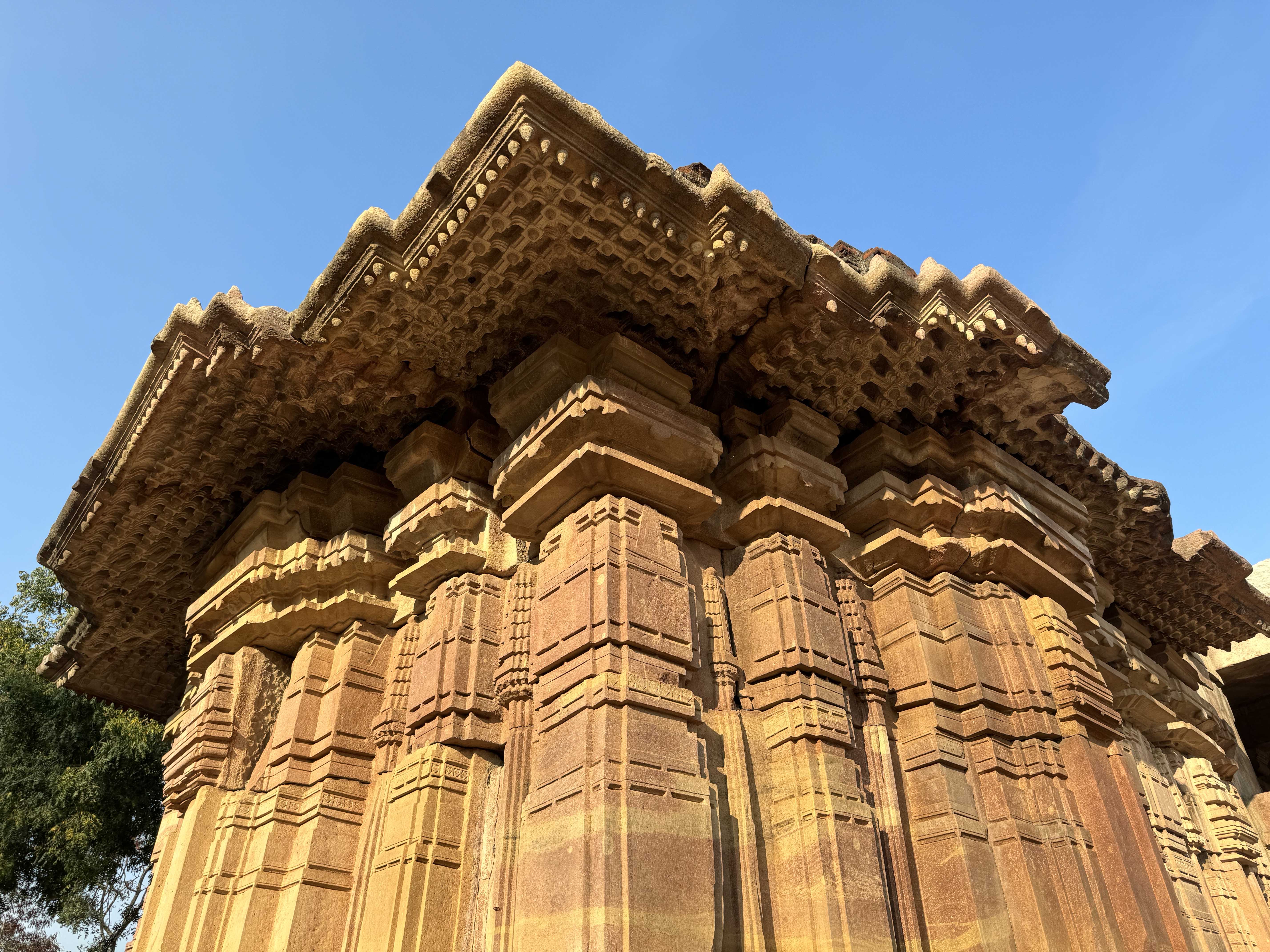
The main feature of this site is its earthquake-resistant structure, which was developed using the sandbox technique. The upper half is made of porous bricks that float on water. The temple survived a major earthquake in the 17th century. While large slabs in the flooring of the temple were disturbed the vertical structures remained intact. Some of the sculptures in the complex were damaged during Malif Kafoor’s invasion of the Kakatiya kingdom. There is a man-made reservoir named Ramappa Cheruvu that supports the agricultural ecosystem in the region.
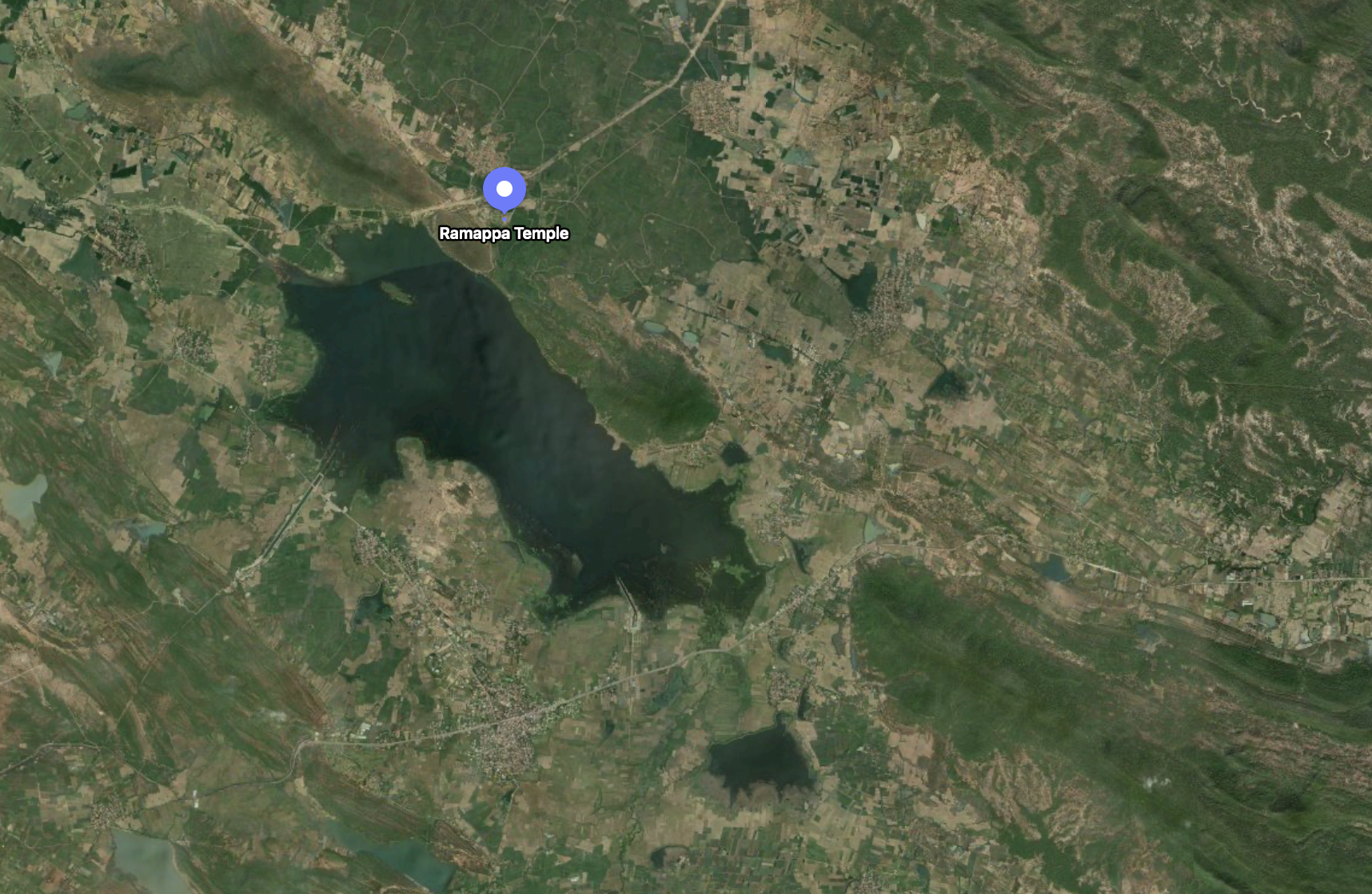
Palampet, which housing the Ramappa temple, was a little village in the newly constituted Mulugu district, but the temple’s world heritage status promises an inflow of tourists and maybe an increase in the income of inhabitants through growing tourism businesses.
 Chinmaye
अप्रतिम कारागिरी. शिलालेख मूळ भाषेत आणि लिपीत हवा,तसेच देवनागरीत हवा.या काकतीय राजवटी संबंधी फारच त्रोटक माहिती मराठीत आहे.